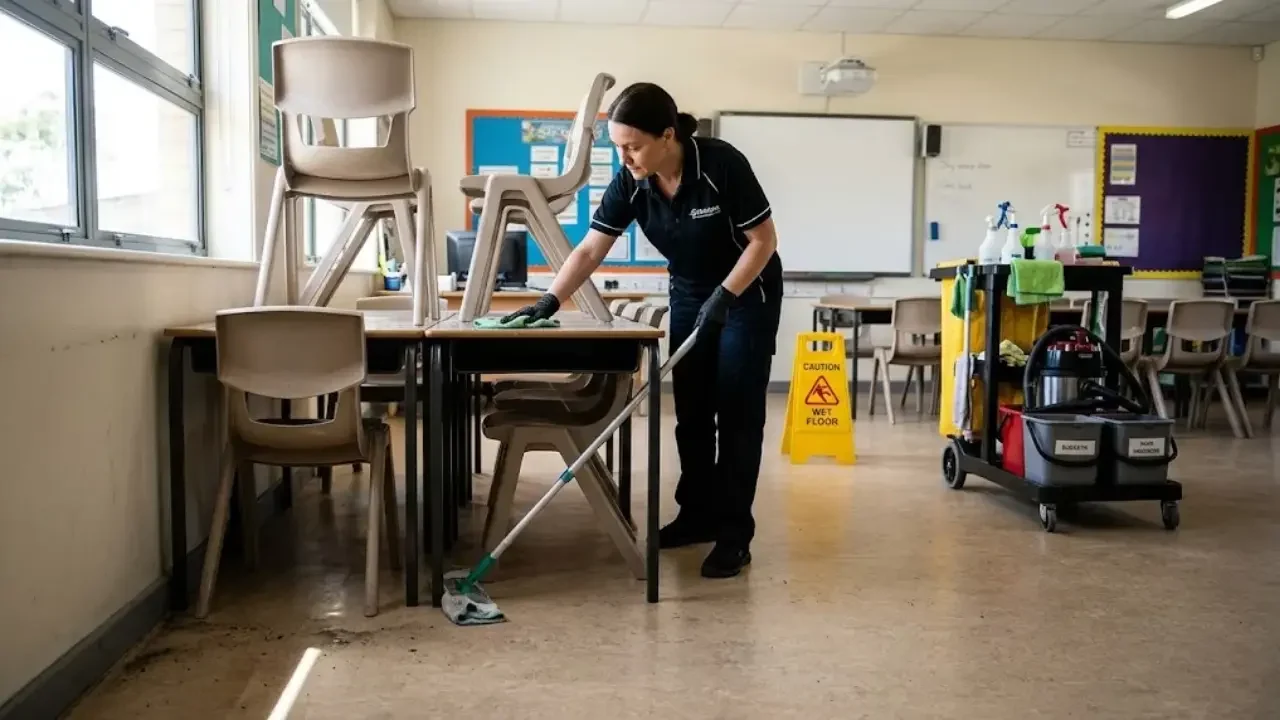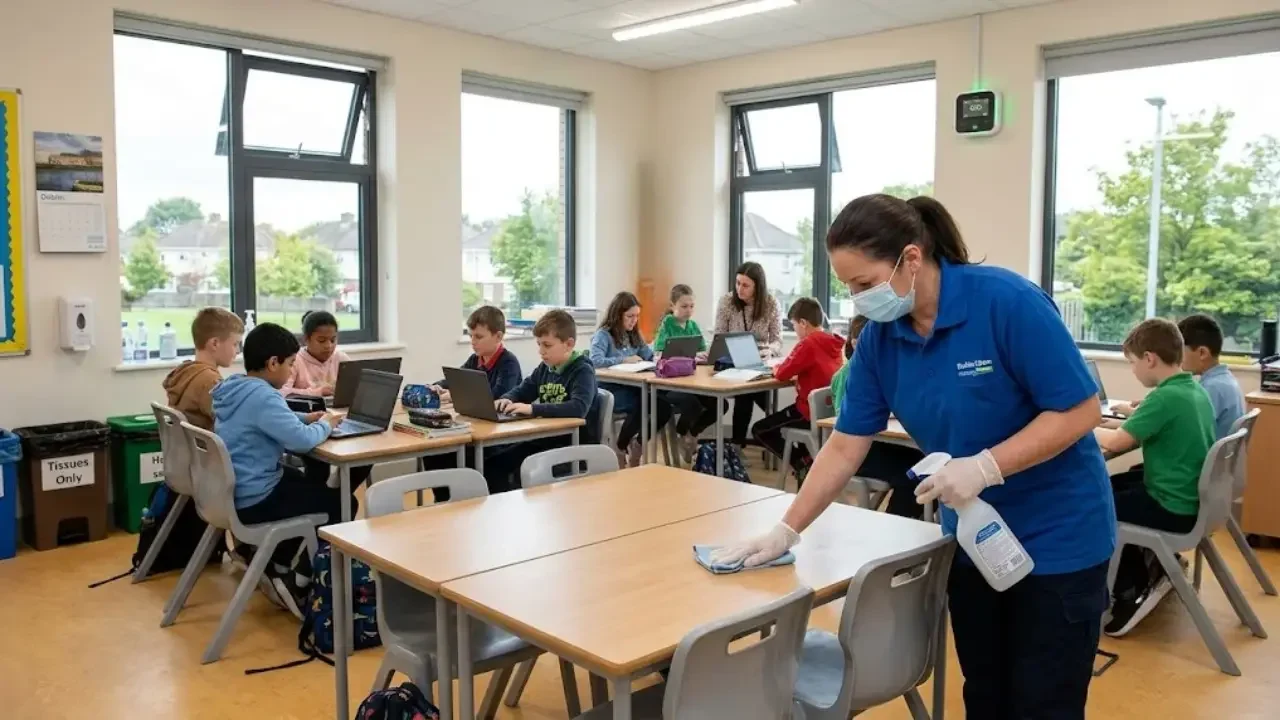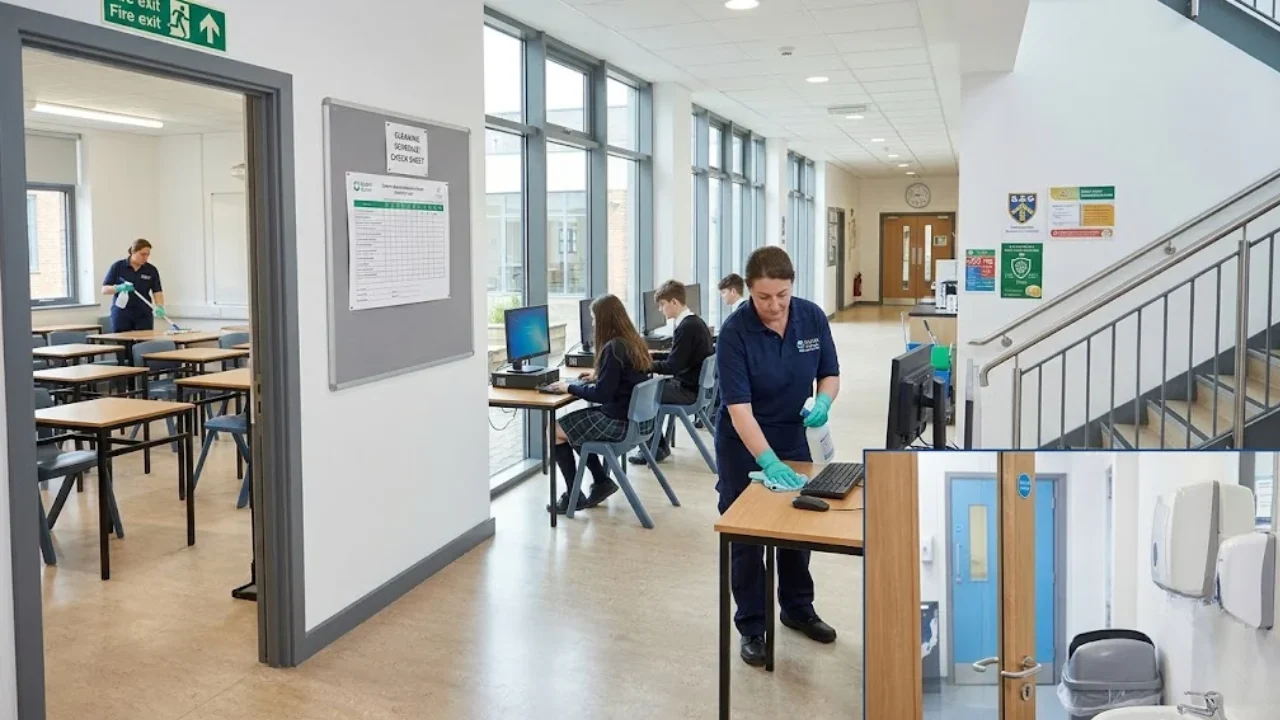
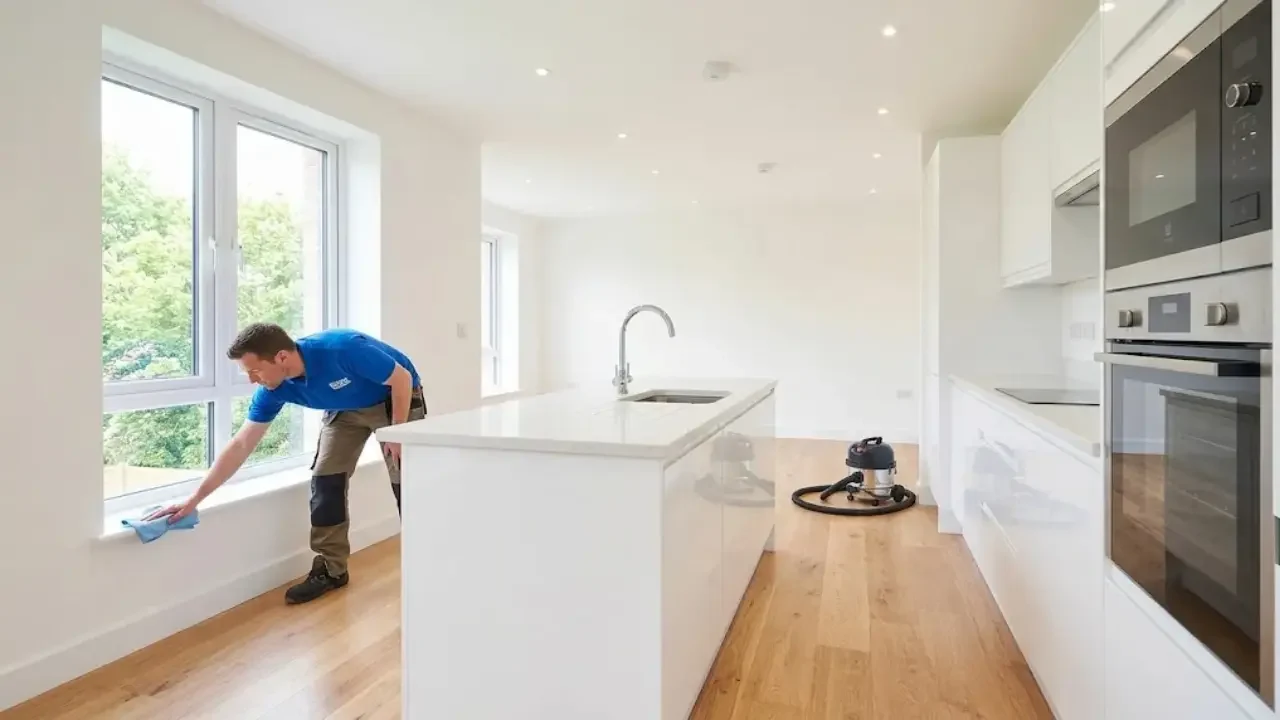
Finishing construction or renovation work is a major milestone, but the property may still be far from ready for use. Fine plaster dust can settle on newly fitted surfaces, paint marks may remain on glass, and floors can carry residue left by trades. Even when builders have removed their tools and materials, a detailed clean is often needed before the space is presented to a client, handed over to a tenant or opened for business.
An after builders cleaning service removes construction related dust, dirt and suitable surface residue left behind after building work. The exact work depends on the condition of the property, the materials used and the level of finish required. For businesses, developers and property managers in Dublin, agreeing the cleaning scope in advance helps avoid missed tasks and makes it easier to prepare the premises for handover.
What is Included in an After Builders Cleaning Service?
A professional after builders clean generally covers detailed dust removal, cleaning of surfaces and fixtures, internal glass cleaning, floor care and the cleaning of kitchens and bathrooms. The aim is to remove the residue left by construction and leave the premises clean and presentable. The precise list should be confirmed in the quotation, as some services include additional tasks while others charge separately for them.
The service is different from routine commercial cleaning because construction residue can require specific equipment and careful treatment. Newly installed flooring, glass, stone, metal fittings and painted surfaces may all need different cleaning methods. Professional cleaners assess the materials before starting and use suitable products to reduce the risk of scratches, staining or damage.
1. Construction Dust Removal from Surfaces
Fine dust is one of the main problems after renovation and building work. It can settle on walls, skirting boards, door frames, window sills, shelves, fitted units and other horizontal surfaces. A quick wipe may move the dust around rather than remove it properly, so the cleaning team needs to work methodically and use suitable equipment.
An after builders clean typically includes removing accessible dust from surfaces throughout the agreed areas. Depending on the property and the work carried out, this may include cupboard exteriors, ledges, internal fittings and accessible areas around fixtures. Dust removal from specialist equipment, internal ventilation systems or inaccessible spaces should be confirmed separately, as these tasks may require a different service.
2. Cleaning Floors According to Their Finish
Floors often carry a mixture of fine dust, footprints, plaster residue and other marks after construction. The correct cleaning method depends on the flooring material and the type of residue present. Ceramic tiles, natural stone, timber, vinyl and newly laid flooring can react differently to cleaning chemicals, excess moisture and abrasive tools.
Professional floor cleaning may include suitable vacuuming, removal of loose debris, damp mopping and careful treatment of marks that can be removed safely. More intensive work may be required if grout haze, adhesive or other construction residue remains. The cleaning team should confirm the floor type and use an appropriate method rather than applying a strong product that could damage the finish.
3. Internal Windows, Glass and Frames
New windows and glass partitions can show construction dust, fingerprints, adhesive marks and splashes left during installation. Even small marks become noticeable when daylight falls across the glass. A proper after builders clean can include cleaning internal glass, accessible frames, window sills and tracks, subject to the agreed scope and safe access.
Some paint, silicone or adhesive residue may need careful removal using tools suitable for the glass and its coating. Not every mark can be removed safely through cleaning alone, and scraping the wrong type of glass can cause permanent damage. External windows, high level glazing and difficult access areas should be listed separately in the quote if they are required.
4. Kitchens, Worktops and Fitted Units
New or refurbished kitchens need attention before staff or occupants start using them. Fine dust can settle on worktops, cupboard doors, shelves, handles and the surfaces around sinks. Installation work may also leave removable marks on fittings, while dust inside newly fitted cupboards can go unnoticed if only the visible surfaces are cleaned.
The agreed service may include wiping cupboard interiors and exteriors, cleaning worktops, sinks, taps, splashbacks and accessible fittings. Appliance cleaning needs to be specified separately if the work includes oven interiors, refrigerators or other internal components. The cleaning team should follow the care instructions for each material and avoid using products that could affect specialist finishes.
5. Bathrooms, Toilets and Sanitary Fittings
Bathrooms can retain grout dust, plaster residue, fingerprints and installation marks after tiling or fitting work. Toilets, wash basins, taps, shower screens and other sanitary fittings need detailed cleaning before the facilities are put into regular use. Mirrors and accessible tiled surfaces also need attention so the finished room looks presentable.
An after builders cleaning service may include cleaning and sanitising sanitaryware, polishing suitable fittings, cleaning mirrors and treating floors with products appropriate to the surface. Removing hardened grout, silicone or cement residue can require specialist treatment and should be agreed before work begins. If a fitting has been scratched, chipped or installed incorrectly, this is a repair or snagging issue rather than a cleaning task.
6. Doors, Skirting Boards and Interior Fixtures
Building work often leaves fine dust on door frames, skirting boards, handles and the edges of fitted joinery. These surfaces can be missed when attention is concentrated on floors and worktops. Dust may also settle on accessible light fittings, switches and other fixtures, depending on their design and the condition of the site.
The cleaning team can wipe suitable surfaces and remove marks that respond safely to the approved cleaning method. Electrical fittings must be treated carefully, using methods that avoid moisture entering sockets or other electrical components. The agreed scope should identify any specialist fixtures or high level items that need separate attention.
7. Stairs, Corridors and Shared Areas
On commercial projects, entrances, staircases, corridors and shared circulation areas can collect dust from several parts of the building. Workers moving materials between floors may leave footprints and fine debris, even after individual rooms have been cleaned. These spaces matter because they are often the first areas seen by clients, staff and visitors during a handover.
An after builders clean can include cleaning accessible stairs, landings, handrails, corridor floors and entrance areas within the agreed premises. The method should suit the floor finish and the type of surface being cleaned. Where several floors or units are involved, the contractor can agree a sequence with the project manager so that completed areas remain clean while other work continues.
8. Removal of Suitable Paint Marks and Adhesive Residue
Small paint splashes, sticker marks, tape residue and traces of installation materials may remain after trades finish. These marks can affect the appearance of new glass, tiles, fittings and other finished surfaces. A professional cleaning team can assess the residue and determine if it can be removed safely as part of the service.
It is important to distinguish removable residue from building defects. Hardened materials, damaged coatings, deep scratches, excess grout and incorrectly applied sealant may need attention from the relevant trade. A cleaning company should not promise to remove every mark without first assessing the surface and the type of residue involved.
9. Final Presentation Clean Before Handover
Once the main cleaning work is complete, a final presentation clean can help prepare the premises for photography, inspection, occupation or client handover. This stage focuses on visible finishing details, such as fingerprints on glass, marks on polished fittings and remaining dust on surfaces that may have been disturbed during the earlier stages of cleaning.
The term sparkle clean is sometimes used for this final stage, but it does not mean the same thing under every contract. Some providers include it within their after builders cleaning package, while others price it as a separate visit. If trades are due to return for repairs or finishing work, another clean may be needed after they leave.
What Is Not Usually Included in After Builders Cleaning?
A clear quotation should explain the limits of the service as well as the work covered. Standard cleaning teams generally focus on cleaning and removing suitable surface residue. They are not normally responsible for construction repairs, heavy waste disposal or specialist remediation unless these services have been specifically arranged.
The following tasks should be confirmed separately before work starts:
| Task | What to confirm |
| Heavy rubble and construction waste | Arrange removal through the builder or a suitable waste contractor |
| Repairs and snagging | Ask the relevant trade to correct damage or installation defects |
| External high level windows | Confirm access requirements and specialist window cleaning |
| Carpet or upholstery extraction | Check if specialist equipment and additional charges apply |
| Oven and appliance interiors | Confirm which appliances and internal components are included |
| Ventilation duct cleaning | Arrange a specialist service if dust has entered internal ductwork |
| Hazardous material removal | Use an appropriately qualified specialist rather than a routine cleaning team |
This distinction helps avoid disagreements at handover. It also allows the cleaning company to plan the right equipment, staffing and time for the work rather than discovering additional requirements on the day.
When Should You Book After Builders Cleaning?
The best time depends on the construction programme and the condition of the premises. A final clean is generally more effective once the main dusty work has finished and trades have completed the activities likely to create further debris. If painting, drilling, cutting or installation work continues after cleaning, dust and marks may return, leading to extra costs.
For larger commercial projects, cleaning can be arranged in stages by floor, unit or work area. A final presentation clean can then take place once outstanding work is complete. When requesting a quotation, share the expected completion date, the type of construction work carried out, the approximate area and any special surface requirements. Photos or a site visit can help the contractor assess the scope more accurately.
How Much Does an After Builders Cleaning Service Cost in Dublin?
The price depends on the size of the premises, the amount and type of residue, the number of rooms or floors, the surfaces involved and the level of finish required. A recently refurbished office with light dust may need less work than a large commercial unit with plaster residue, paint marks and newly installed flooring. External windows, specialist floor treatment and a separate sparkle clean can also affect the total.
For an accurate quote, ask the cleaning provider to list the tasks included, any exclusions and any additional charges that may apply. It is useful to confirm if equipment and cleaning products are included, how access will be arranged and if the team can work to the required handover date. A clearly defined scope makes it easier to compare quotations on the work being delivered, rather than price alone.
Why Hire Professional After Builders Cleaners in Dublin?
Post construction cleaning calls for more than ordinary dusting and mopping. The team needs to recognise different surface materials, select suitable cleaning methods and work through the premises in a sensible order. This is particularly important in commercial spaces where new finishes, glass partitions, fitted kitchens and specialist flooring must be kept in good condition.
Dublin Clean provides after builders cleaning services for clients preparing premises after construction or renovation work. The service can cover agreed areas such as floors, internal glass, fitted units, bathrooms, fixtures and general construction dust removal. Businesses and property managers looking for after builders cleaners Dublin can contact the team to discuss the project, the required finish and the proposed handover date before requesting a quote.
Frequently Asked Questions
What is included in an after builders cleaning service?
An after builders clean usually includes construction dust removal, cleaning of accessible surfaces and fixtures, internal window and frame cleaning, floor care, and cleaning of kitchens and bathrooms where included in the agreed scope. The service may also cover suitable paint marks and adhesive residue. The exact list varies by provider, so it should be confirmed in writing before the work starts.
Does after builders cleaning include paint and plaster removal?
Cleaners can often remove suitable surface marks and loose plaster residue, depending on the material and how firmly it has bonded to the surface. Hardened plaster, cement, grout or paint may require specialist treatment or attention from the relevant trade. The cleaning company should assess the residue before confirming what can be removed safely.
Are windows included in after builders cleaning?
Internal glass, accessible frames, sills and tracks are commonly included, but this varies between contracts. External glazing, high windows and areas requiring specialist access may be charged separately. Confirm the exact window cleaning scope before booking so there is no uncertainty at handover.
How long does after builders cleaning take?
The time required depends on the size of the property, the amount of residue, the number of cleaners and the level of finish expected. A small area with limited dust may take considerably less time than a multi floor commercial premises. A site assessment or clear project information helps the provider estimate the time and staffing required.
Is a sparkle clean different from an after builders clean?
A builders clean generally focuses on removing construction dust and residue after building work. A sparkle clean is commonly used to describe a final presentation clean before inspection, photography or handover. Some companies combine both stages, while others quote for them separately, so the service description should make clear which tasks are included.
How do I get a quote from after builders cleaners in Dublin?
Provide the approximate floor area, property type, rooms or floors involved, type of work completed and expected handover date. Mention any new flooring, specialist surfaces, paint marks or external windows that need attention. Dublin Clean can use these details to discuss the required service and clarify the scope before preparing a quote.