A school is more than a place where pupils attend lessons. It is where they build friendships, develop confidence, take part in activities and spend a large part of their day. The condition of the building can influence how comfortable pupils feel, how staff manage their daily responsibilities and how well the school supports a positive learning experience. A clean, well maintained environment helps create the right conditions for pupils to feel welcome and ready to learn.
Professional school cleaning plays a valuable part in this process. It helps schools maintain suitable learning spaces, manage everyday hygiene and provide a more comfortable setting for pupils, teachers and visitors. For schools across Dublin, a consistent cleaning service can support wider efforts to improve attendance and student wellbeing. Cleaning alone cannot prevent every illness or solve attendance difficulties, but it is a practical part of maintaining a healthy school environment.
How Does Professional School Cleaning Support Student Attendance?
Regular attendance depends on many factors, including health, family circumstances, emotional wellbeing and a pupil’s relationship with school. The condition of the school building is another factor that deserves attention. A well maintained environment helps schools manage everyday hygiene, reduce avoidable discomfort and make shared spaces more suitable for learning and social activities.
The US Centers for Disease Control and Prevention identifies cleaning, hand hygiene and improved indoor air quality as practical measures that can help reduce the spread of common infections in school settings. These measures work best as part of a wider approach that includes appropriate ventilation, sensible hygiene routines and keeping unwell pupils at home. Professional cleaning can support these efforts, although it cannot guarantee that pupils will avoid illness or miss fewer school days. Source: CDC guidance for schools.
1. Supporting a Healthier Learning Environment
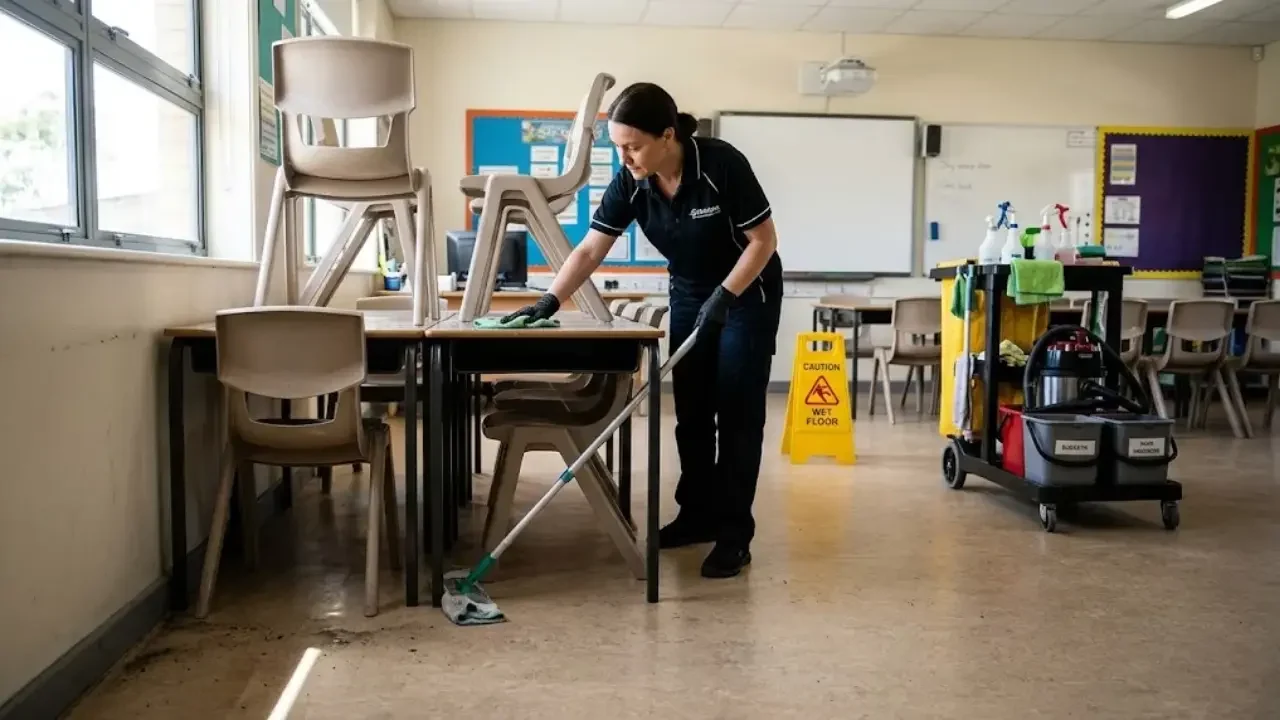
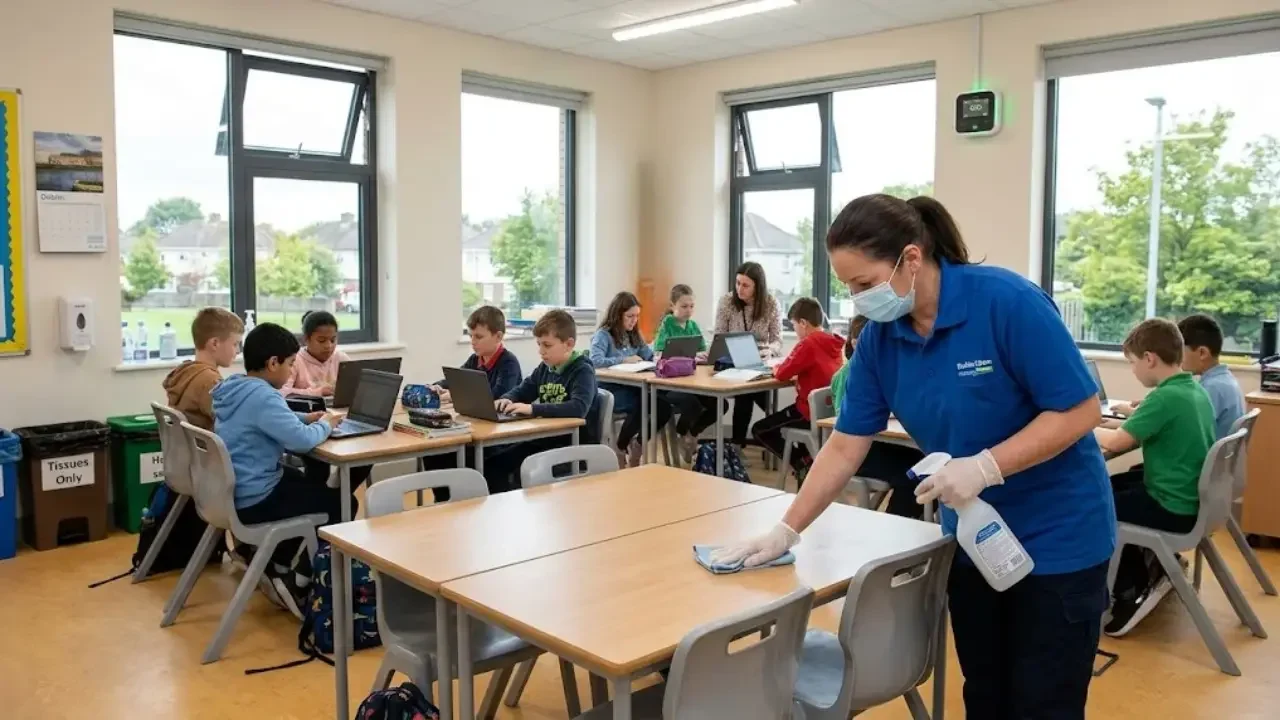
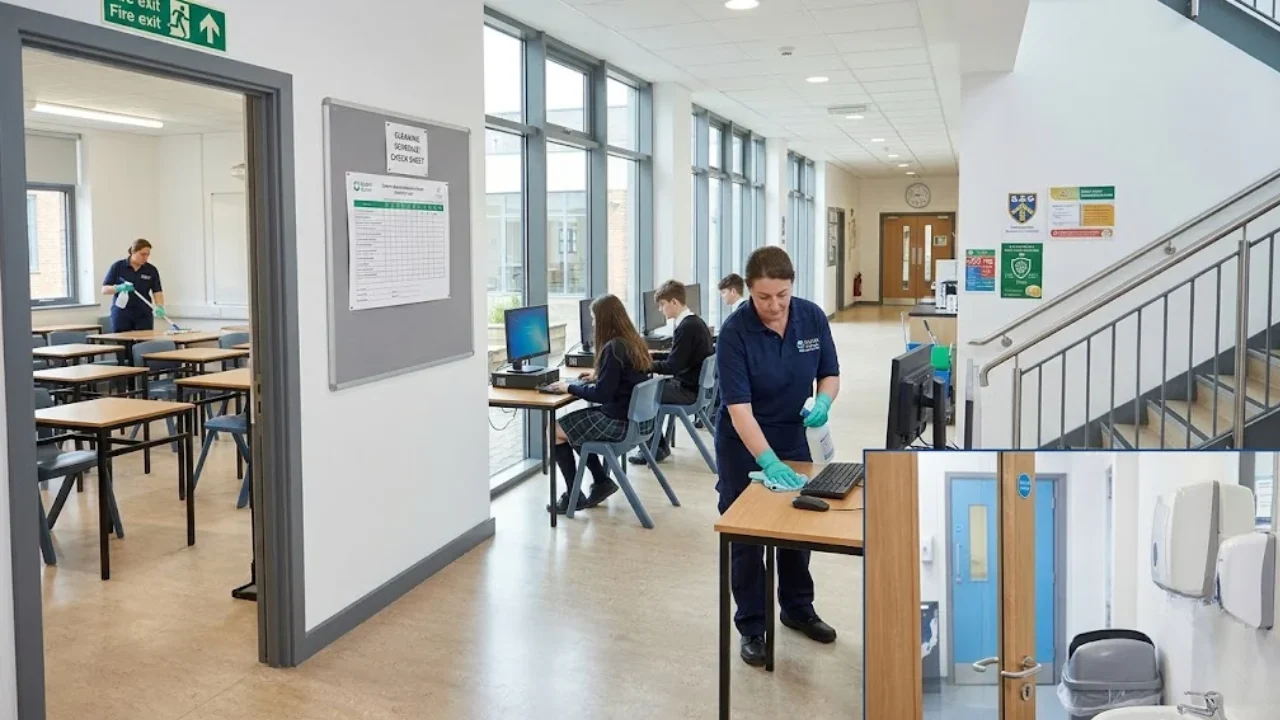
Pupils share classrooms, libraries, dining areas, sports facilities and other spaces throughout the school day. Dirt and contamination can build up through normal use, particularly in busy areas where many people use the same facilities. A planned cleaning service helps schools maintain these spaces and respond appropriately to spills, visible soiling and other hygiene concerns.
Professional cleaners work to an agreed schedule, using suitable products and methods for the surfaces they maintain. This provides a more consistent approach than relying on occasional cleaning when a problem becomes noticeable. Combined with good ventilation, hand hygiene and appropriate illness management, regular cleaning forms part of the school’s wider efforts to protect the health of its community.
2. Helping Pupils Feel Comfortable at School
The condition of a classroom can affect how pupils experience their surroundings. Unpleasant odours, dirty shared spaces, visible grime or poorly maintained toilets may cause discomfort and distract pupils from their lessons. Clean, orderly facilities help create a more welcoming atmosphere, allowing pupils to concentrate on their activities without unnecessary concerns about the condition of their environment.
Comfort also matters in areas used for meals, physical education and social interaction. Pupils should be able to use these facilities without avoidable hygiene concerns. A dependable cleaning routine helps schools maintain a consistent standard across the building, rather than concentrating only on the main classrooms or entrance areas.
How Does a Clean School Environment Support Student Wellbeing?
Student wellbeing includes physical comfort, emotional security, positive relationships and a sense of belonging. Cleaning cannot address every aspect of wellbeing, but the condition of a school can contribute to how pupils feel about the place where they learn. A cared for environment sends a practical message that the school takes its facilities and the people who use them seriously.
Ireland’s Department of Education and Youth highlights safety, calm, belonging and connectedness as important elements of school community wellbeing. Its guidance also recognises that pupils benefit from supportive routines and environments that help them feel secure. Professional cleaning is one operational measure that can support this wider approach, alongside pastoral care, good teaching and effective school leadership. Source: Department of Education and Youth wellbeing guidance.
3. Creating a More Positive First Impression
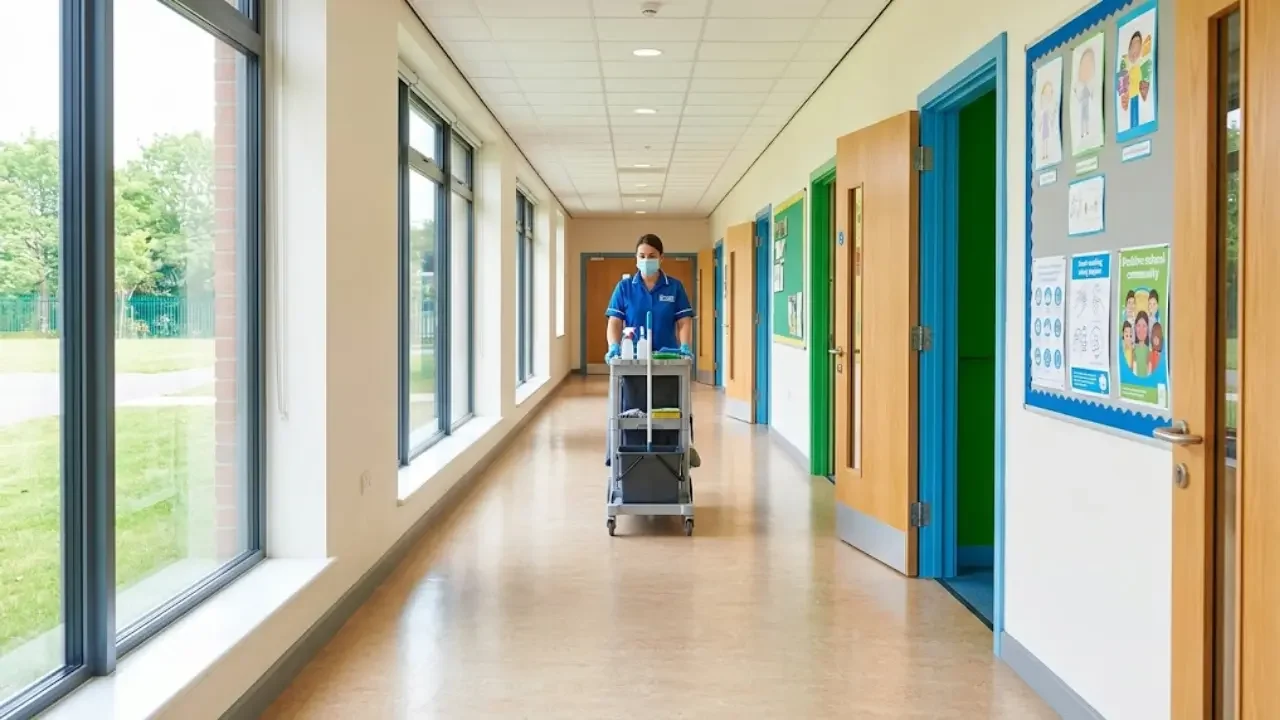
The school environment begins shaping a pupil’s experience before the first lesson starts. Clean entrances, tidy corridors and well maintained common areas help establish a sense of order when pupils arrive each morning. This is also important for parents, visiting professionals and prospective families who form an impression of the school from the condition of its facilities.
Consistency matters more than a one off deep clean before an event or inspection. When the building is maintained throughout the school year, pupils and staff can rely on familiar standards. Professional school cleaners help maintain these standards by following agreed schedules and reporting issues that need attention beyond routine cleaning.
4. Supporting Pupils with Sensory Sensitivities
Some pupils are more sensitive to smells, dust, noise or changes in their surroundings. Strong cleaning fragrances or the use of unsuitable products can cause discomfort for some individuals, while cluttered or poorly maintained spaces may make the school day more difficult for pupils with additional sensory needs. Schools can reduce avoidable problems by discussing relevant requirements with their cleaning provider and planning work carefully.
A suitable cleaning plan should consider product instructions, ventilation, the timing of cleaning and the needs of the people using each room. Where possible, noisy tasks can be scheduled outside lesson time, and products with strong fragrances can be avoided when a suitable alternative is available. These adjustments will not meet every individual need, but they can help create a more considerate learning environment.
5. Maintaining Toilets and Changing Facilities with Dignity
School toilets and changing rooms have a direct effect on comfort, privacy and confidence. If facilities are unpleasant, pupils may feel reluctant to use them during the day. This can create discomfort and make it harder for them to focus on lessons or participate fully in school activities.
A reliable cleaning schedule helps maintain these facilities throughout the school day, with additional attention arranged when use is particularly heavy. Schools should also have a clear process for reporting empty soap dispensers, damaged fixtures, leaks and other maintenance issues. Cleaning teams can help identify these problems, although repairs and the supply of consumables must be assigned clearly between the school and its service provider.
Why Cleaning Consistency Matters More Than Occasional Deep Cleaning
A school building experiences different levels of use throughout the week. A dining area may become busy during lunch, a sports hall may host several groups in one afternoon, and classrooms may be used for clubs after lessons finish. A cleaning plan based on the actual use of each space is more practical than applying the same routine to every room.
Professional school cleaning combines routine tasks with periodic work that requires additional time. School leaders should agree which activities take place each day, which are completed at planned intervals and how unexpected cleaning needs are reported. This makes responsibilities clearer and helps the school maintain its facilities without relying on last minute action.
How School Leaders Can Measure the Value of Professional Cleaning
A cleaning service should be assessed through clear standards and evidence, not simply through how a building looks during a quick walk through. School leaders can review inspection records, reports of cleaning concerns, response times and feedback from staff responsible for classrooms and shared facilities. These measures help identify patterns and show where schedules or staffing arrangements may need to change.
Attendance data can also be reviewed alongside other school information, but it should not be treated as proof that cleaning caused a change. Absence figures are influenced by illness, family circumstances, transport, anxiety and many other factors. A fair assessment looks at cleaning performance directly while considering attendance and wellbeing as wider school priorities.
A Practical School Cleaning Review
| Area of review | What school leaders can assess |
| Cleaning standards | Inspection results and recurring concerns |
| Staff feedback | Reports about the condition of classrooms and shared facilities |
| Hygiene supplies | Availability of soap, hand drying materials and other agreed supplies |
| Response to problems | Time taken to address spills, soiling or urgent cleaning requests |
| Service consistency | Completion of scheduled work and follow up on missed tasks |
| Student experience | Relevant feedback about comfort, toilets and shared spaces |
| Attendance | Trends reviewed alongside health, family and pastoral information |
These checks give school leaders a clearer view of the service being delivered and the areas that need improvement. They also make discussions with a cleaning contractor more productive because concerns can be linked to specific locations, tasks and expected standards.
What Should Schools Look for in a Professional Cleaning Provider?
A suitable school cleaning provider should understand the practical demands of an educational setting. The service needs to fit around lesson times, access arrangements, school events and the different ways pupils use the building. Staff should know which areas they are responsible for, how to use cleaning products safely and how to report maintenance or hygiene concerns.
Schools should also ask how the contractor supervises its team and checks completed work. A written service specification, clear reporting arrangements and regular reviews help both parties maintain consistent expectations. Before appointing a provider, school leaders should confirm the scope of the service, insurance arrangements, staff training and the procedures used to protect pupils and staff while cleaning takes place.
Professional School Cleaning for Schools Across Dublin
Maintaining a clean school takes planning, reliable staff and regular communication between the school and its cleaning provider. The aim is not simply to make classrooms look presentable. It is to maintain suitable facilities that support everyday learning, help pupils feel comfortable and allow teachers to concentrate on their work.
Dublin Clean provides commercial cleaning services for organisations that need a consistent approach to maintaining their premises. Schools looking for school cleaners in Dublin can discuss their building, opening hours, facility requirements and cleaning priorities with the team. A clear cleaning plan can then set out the work required, the expected frequency and how service standards will be checked.
Frequently Asked Questions
Can professional school cleaning improve student attendance?
Professional cleaning can support school hygiene and help maintain a suitable environment for learning. Alongside ventilation, hand hygiene and sensible illness management, it may help reduce some avoidable hygiene risks. However, attendance depends on many factors, so cleaning alone cannot guarantee fewer absences.
How does a clean school support student wellbeing?
A clean and well maintained school can help pupils feel more comfortable using classrooms, toilets, dining facilities and shared spaces. It also contributes to a sense that the school environment is cared for. These benefits support wider wellbeing efforts, although pupils’ emotional and social needs require attention beyond cleaning.
How often should a school be professionally cleaned?
The frequency depends on the size of the building, the number of pupils, the activities taking place and the level of use in each area. Many schools arrange routine cleaning each school day, with additional tasks scheduled according to need. The school and contractor should agree a written schedule that reflects the building’s requirements.
What is the difference between routine school cleaning and deep cleaning?
Routine cleaning covers the regular work needed to maintain everyday standards in classrooms, shared areas and facilities. Deep cleaning involves more detailed tasks that may require additional time, equipment or access. The schedule should define both services clearly, so school leaders know what is included and when additional work may be required.
What should schools ask school cleaners in Dublin before hiring them?
Schools should ask about educational setting experience, staff training, insurance, safe product use, supervision and the checks used to assess cleaning quality. They should also request a written schedule that identifies the areas covered, cleaning frequency and reporting process. Clear expectations help the school assess the service and address concerns promptly.
Does professional cleaning replace good hygiene practices in schools?
No. Cleaning works best alongside hand hygiene, suitable ventilation, safe food handling and clear procedures for managing illness. School staff, pupils, families and cleaning teams each have a role in maintaining a suitable environment. The school should coordinate these measures as part of its wider health and safety arrangements.