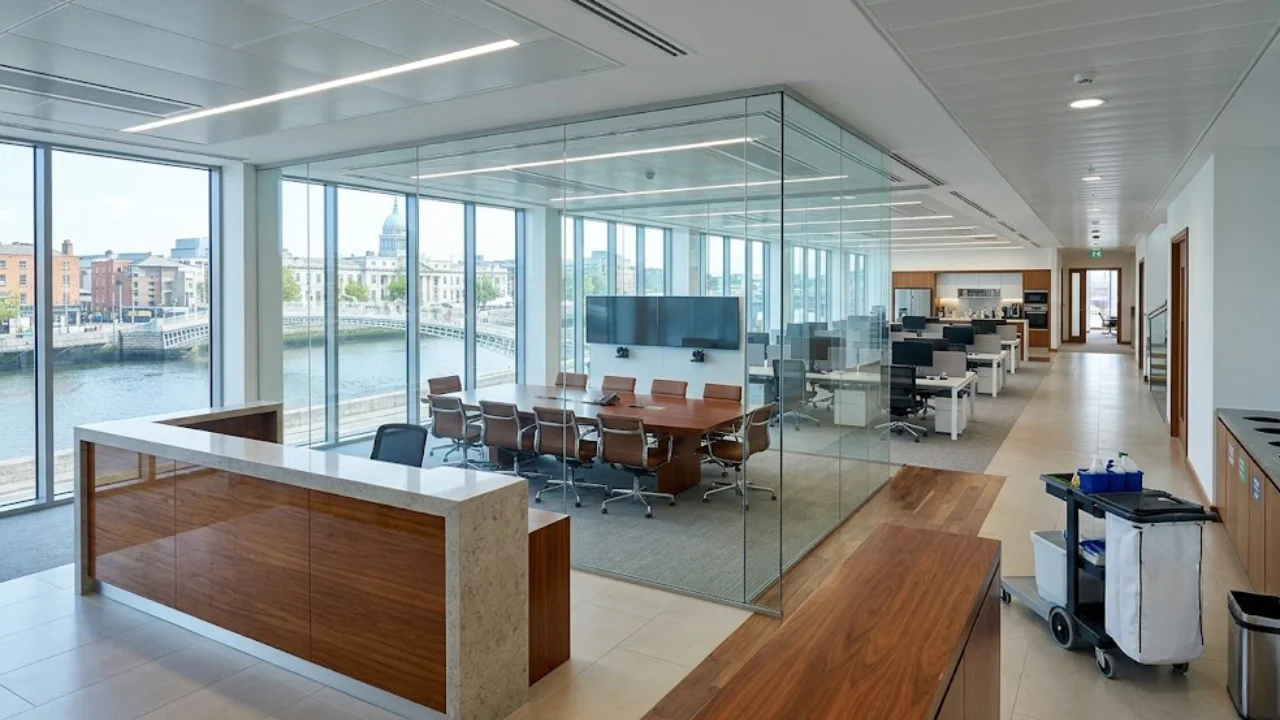
A Business Owner’s Checklist Before Signing Any Cleaning Agreement
Hiring a cleaning company is not simply about finding someone to vacuum floors and empty bins. A professional office cleaning contract should clearly define what areas will be cleaned how often tasks will be completed and what standards are expected.
Many businesses only discover gaps in their cleaning agreement after problems begin to appear. Meeting rooms become dusty. Washrooms are not maintained properly. Reception areas lose their professional appearance. Staff begin questioning whether the service is delivering value.
The reality is simple. The quality of an office cleaning service often depends on what is written into the contract from the beginning.
If you are reviewing quotations or considering a new cleaning provider this guide explains the areas that should always be included in a professional office cleaning contract.
Why a Detailed Cleaning Contract Matters
A cleaning contract protects both the client and the cleaning provider.
Without clear expectations businesses often face issues such as:
- Missed cleaning tasks
- Inconsistent standards
- Disputes about responsibilities
- Unexpected charges
- Poor communication
A well structured agreement creates accountability and ensures everyone understands what is expected.
Think of the contract as a roadmap. The clearer it is the smoother the relationship becomes.
Reception Areas: The First Impression Zone
When visitors enter your workplace the reception area forms their first impression of your business.
This area should always receive special attention.
A professional cleaning contract should include:
- Cleaning reception desks
- Dusting furniture
- Vacuuming carpets
- Mopping hard floors
- Cleaning glass doors
- Removing fingerprints from surfaces
- Emptying bins
In many Dublin offices the reception area experiences constant foot traffic throughout the day. Dirt and debris can build up quickly especially during wet weather.
A clean reception area sends a clear message about your organisation.
Workstations and Office Desks
Workstations are where employees spend most of their day.
Even in tidy offices dust accumulates surprisingly quickly.
Cleaning contracts should clearly specify:
- Surface cleaning
- Dust removal
- Cleaning around monitors
- Wiping accessible desk areas
- Vacuuming beneath desks
- Cleaning office chairs where applicable
It is also important to establish whether staff are required to clear desks before cleaning takes place.
This avoids confusion and helps cleaners perform their work effectively.
Meeting Rooms and Boardrooms
Meeting spaces are often overlooked despite being some of the most visible areas within an office.
Clients investors and business partners frequently use these rooms.
Cleaning should include:
- Table cleaning
- Chair cleaning
- Dust removal
- Carpet maintenance
- Glass partition cleaning
- Door handle sanitisation
A neglected meeting room can quickly undermine an otherwise professional workplace.
Washrooms: One of the Most Important Areas
If there is one area where cleaning standards must remain consistently high it is the washroom.
Employees and visitors notice washroom cleanliness immediately.
A professional cleaning contract should cover:
- Toilet sanitisation
- Sink cleaning
- Mirror cleaning
- Floor cleaning
- Waste removal
- Restocking consumables
- Touch point disinfection
In many workplaces washrooms receive heavier use than management initially realises.
This often means cleaning frequency becomes just as important as cleaning quality.
Kitchens and Staff Break Areas
Office kitchens can become hygiene hotspots if not maintained properly.
Shared facilities experience constant use throughout the day.
A cleaning agreement should include:
- Worktop cleaning
- Sink sanitisation
- Appliance exterior cleaning
- Table cleaning
- Floor cleaning
- Bin management
Businesses should also clarify responsibility for items such as:
- Fridge cleaning
- Microwave cleaning
- Coffee machine maintenance
These details are often overlooked during contract discussions.
Floors Throughout the Building
Flooring is one of the largest surfaces within any workplace.
Its condition has a major impact on overall appearance.
The contract should specify how different floor types will be maintained.
This may include:
Carpeted Areas
- Vacuuming
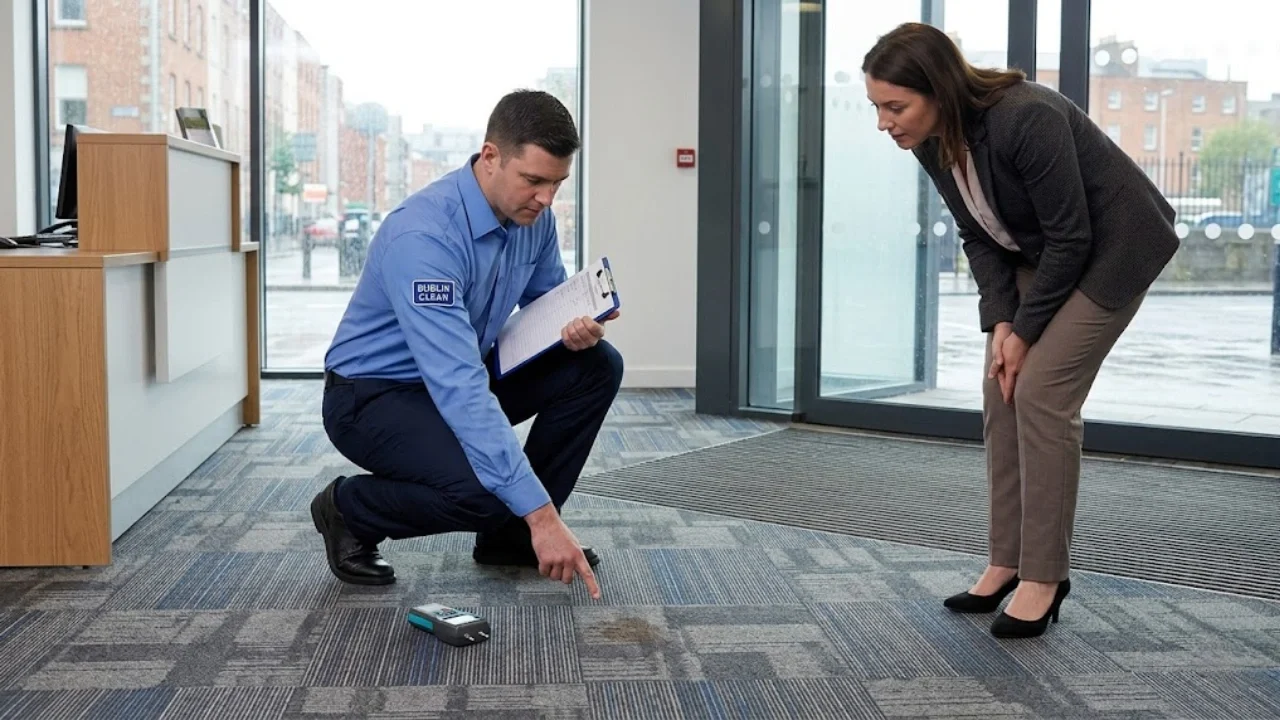
- Spot treatment
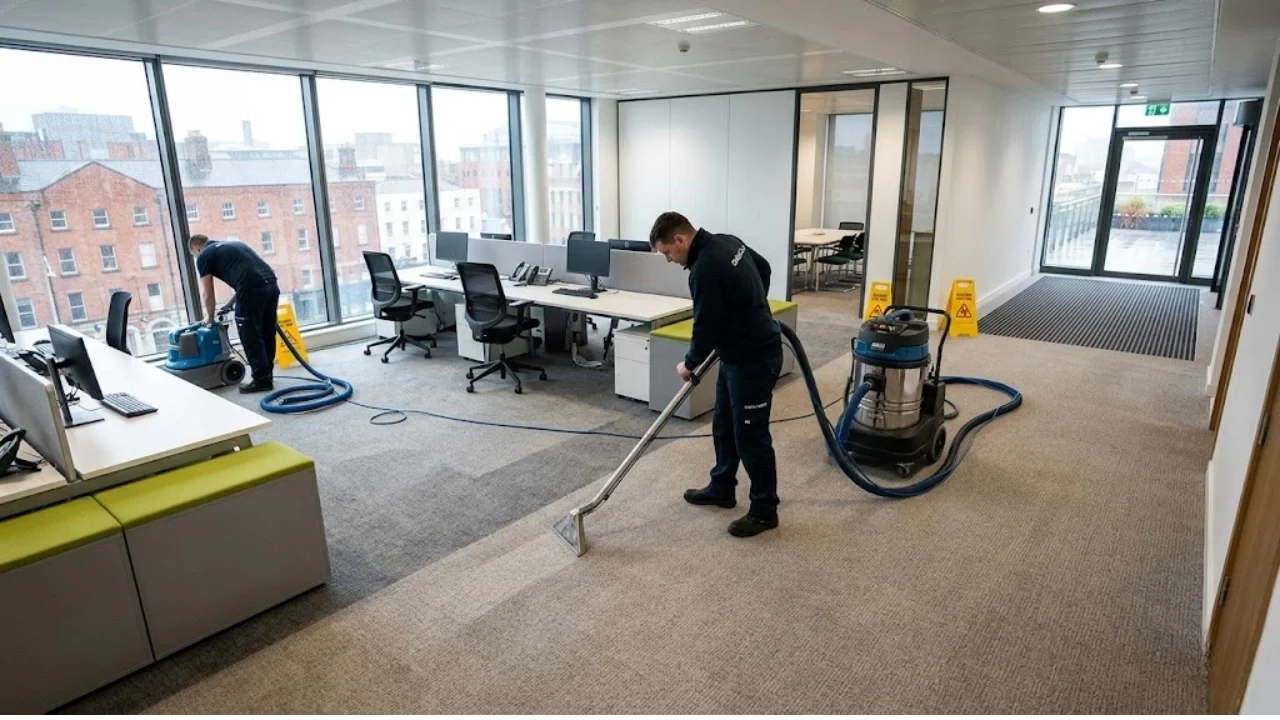
- Periodic deep cleaning
Hard Floors
- Sweeping
- Mopping
- Machine cleaning where required
Entrance Areas
- Mat cleaning
- Dirt removal
- Increased attention during wet weather
Many Dublin offices experience significant foot traffic during rainy periods. Entrance areas often require additional maintenance to prevent dirt spreading throughout the building.
High Touch Points
Following recent changes in workplace hygiene awareness many businesses now place greater emphasis on touch points.
These are surfaces that multiple people touch throughout the day.
Examples include:
- Door handles
- Light switches
- Lift buttons
- Handrails
- Shared equipment
- Kitchen appliances
Regular sanitisation of these areas should be clearly included within the cleaning schedule.
Glass and Internal Partitions
Modern office design frequently incorporates glass throughout the workplace.
While visually appealing glass surfaces quickly show:
- Fingerprints
- Dust
- Smudges
Cleaning contracts should include:
- Internal glass cleaning
- Glass door cleaning
- Partition cleaning
Clear glass helps maintain a polished professional environment.
Waste Management
Waste removal involves more than emptying bins.
A proper cleaning contract should address:
- General waste disposal
- Recycling collection
- Kitchen waste
- Washroom waste
Businesses should also clarify how frequently waste will be removed and whether bin liners are included.
Stairwells and Corridors
These transitional areas are often forgotten because employees spend less time there.
However they contribute significantly to overall workplace appearance.
Cleaning should include:
- Floor maintenance
- Handrail cleaning
- Dust removal
- Spot cleaning walls where necessary
Visitors moving through the building notice these areas even if they are only passing through.
Entrances and External Access Points
Your entrance acts as the gateway to your business.
It often faces the greatest exposure to:
- Rain
- Dirt
- Leaves
- Pollution
Cleaning contracts should clearly address:
- Entrance mat cleaning
- Door cleaning
- Glass maintenance
- Immediate surrounding areas
This becomes especially important during autumn and winter in Dublin.
Periodic Deep Cleaning Tasks
Daily cleaning and periodic cleaning are not the same thing.
Many contracts only focus on routine tasks while neglecting deeper maintenance requirements.
A professional agreement should include provision for:
- Carpet deep cleaning
- Upholstery cleaning
- High level dusting
- Detailed washroom treatments
- Kitchen deep cleans
These services may not occur weekly but should be planned throughout the year.
Window Cleaning Requirements
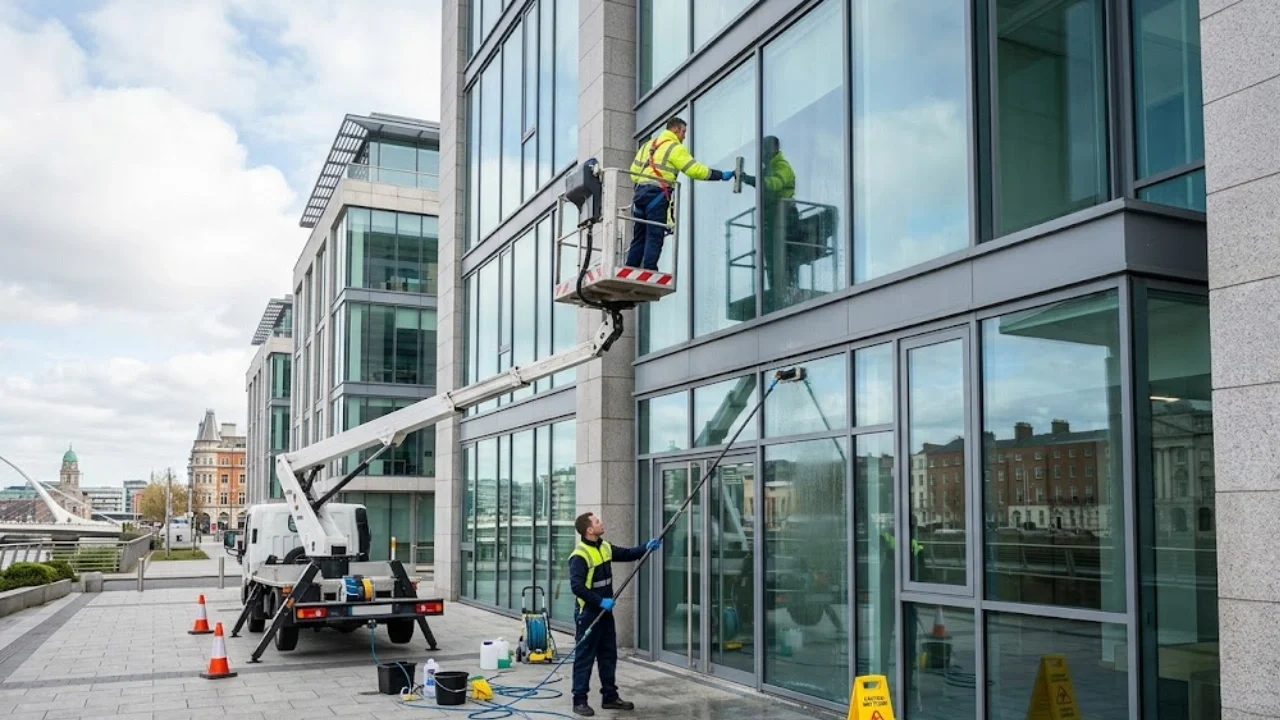
Many office cleaning contracts exclude window cleaning unless specifically requested.
This can lead to misunderstandings later.
Businesses should clarify:
- Internal window cleaning
- External window cleaning
- Frequency of service
Clean windows improve natural light and contribute to a better working environment.
Service Reporting and Quality Inspections
One area frequently overlooked is quality control.
Cleaning tasks should not simply be completed. They should also be monitored.
Professional contracts often include:
- Site inspections
- Supervisor visits
- Performance reviews
- Service reports
These measures help maintain standards over time.
Emergency Cleaning Support
Unexpected situations occasionally arise.
Examples include:
- Water leaks
- Spills
- Event clean ups
- Urgent sanitation requirements
Businesses should ask whether emergency support forms part of the agreement.
Having access to additional cleaning assistance can be valuable when issues occur.
Questions Worth Asking Before Signing
Before agreeing to any contract consider asking:
Is every area listed individually?
Vague agreements often create confusion later.
Are cleaning frequencies clearly stated?
Knowing what gets cleaned and when helps manage expectations.
Are consumables included?
Clarify responsibility for products such as soap and paper supplies.
Are quality inspections carried out?
Regular monitoring helps maintain consistency.
Can the contract adapt as the business grows?
Workplace requirements often change over time.
PRO TIP
Request a cleaning specification document alongside the contract.
This document provides a detailed breakdown of every cleaning task and the frequency at which it will be completed.
Many businesses focus on price while overlooking the cleaning specification. In reality this document often tells you more about the quality of service than the quotation itself.
A Quick Review Before You Commit
Before signing any cleaning agreement make sure it covers:
✔ Reception areas
✔ Workstations
✔ Meeting rooms
✔ Washrooms
✔ Kitchens
✔ Floors
✔ Touch points
✔ Glass partitions
✔ Waste management
✔ Corridors
✔ Entrances
✔ Deep cleaning requirements
✔ Quality inspections
✔ Emergency support
A complete contract helps prevent misunderstandings and ensures your workplace receives the level of service it requires.
Is Your Current Cleaning Contract Missing Important Areas?
Many businesses continue with cleaning agreements that were created years ago. Since then staff numbers may have increased workplace layouts may have changed and hygiene expectations may have evolved.
Taking time to review your cleaning contract can reveal areas that are being overlooked.
At Dublin Clean we regularly help businesses assess their existing cleaning arrangements and identify opportunities to improve standards efficiency and value.
If you are unsure whether your current contract covers everything your workplace needs our team can review your requirements and provide practical recommendations based on how your office actually operates.
A well maintained workplace starts with a clear plan and that plan begins with the right cleaning contract.