Cleanliness in a healthcare environment is not measured by appearance alone. A facility may look tidy, organised and well maintained, yet still require professional cleaning to support hygiene standards, patient safety and operational efficiency.
For medical clinics, healthcare centres and treatment facilities across Dublin, one of the most common questions is:
How often should a healthcare facility be professionally cleaned?
The answer depends on several factors including patient numbers, facility type, services provided and daily foot traffic. However, one thing remains consistent across all healthcare settings: cleaning should never be treated as an occasional task.
A structured cleaning programme helps maintain a safer environment for patients, visitors and healthcare professionals every day.
Why Healthcare Facilities Require More Frequent Cleaning
Medical facilities operate differently from traditional offices or commercial buildings.
Patients arrive throughout the day carrying different health conditions, illnesses and vulnerabilities. Healthcare staff move between treatment rooms, consultation spaces, reception areas and administrative zones while interacting with numerous people and surfaces.
This constant movement creates ongoing opportunities for contamination.
Professional cleaning helps control these risks while supporting a hygienic and welcoming environment.
There Is No One Size Fits All Schedule
A small physiotherapy clinic and a large medical centre will not require identical cleaning frequencies.
Factors that influence cleaning requirements include:
- Number of daily patients
- Opening hours
- Type of treatments provided
- Number of staff members
- Facility size
- Shared spaces
- Infection prevention protocols
Rather than applying a generic cleaning schedule, facilities should assess their operational demands and risk levels.
Areas That Need Attention Several Times Each Day
Some parts of a healthcare facility experience constant use.
These areas often require multiple cleaning and disinfection visits throughout operating hours.
Examples include:
Reception Areas
Reception desks are touched repeatedly by patients and staff.
Frequent cleaning helps maintain a professional first impression while reducing contamination risks.
Waiting Rooms
Busy waiting areas can quickly accumulate germs through constant contact with chairs, tables and shared surfaces.
Regular attention throughout the day helps maintain hygiene standards.
Washrooms
Healthcare washrooms should be monitored and cleaned frequently.
This includes:
- Toilets
- Sinks
- Tap handles
- Mirrors
- Door handles
- Consumable replenishment
Clean washrooms influence how patients perceive the entire facility.
High Touch Contact Points
These surfaces may require several disinfection cycles daily:
- Door handles
- Light switches
- Lift buttons
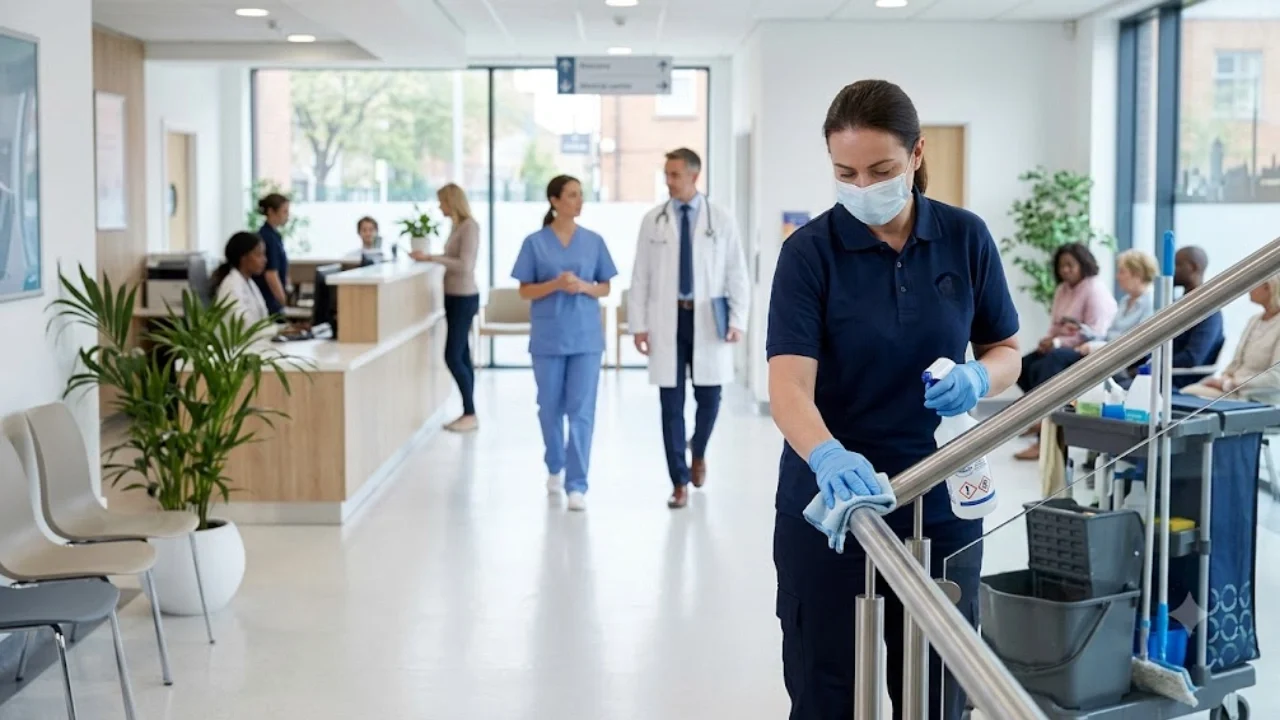
- Handrails
- Payment terminals
- Sign in screens
The busier the facility becomes, the more important frequent touch point cleaning becomes.
Treatment Rooms Should Be Maintained Continuously
Treatment rooms require a different approach from public spaces.
Unlike waiting areas, these rooms involve direct patient interaction and clinical activities.
Professional cleaning programmes often include:
- Surface sanitisation
- Equipment cleaning
- Waste removal
- Floor maintenance
- Touch point disinfection
The frequency depends on room usage and the type of services being delivered.
Facilities with a high volume of appointments often require ongoing attention throughout the working day.
Daily Cleaning is the Minimum Standard
For most healthcare facilities, professional cleaning should occur every day.
Daily cleaning helps manage:
- Dust accumulation
- Surface contamination
- Waste removal
- Washroom hygiene
- General presentation
A healthcare facility that only receives occasional cleaning may struggle to maintain consistent hygiene standards.
Daily professional cleaning creates a solid foundation for patient safety and operational excellence.
Weekly Cleaning Tasks Still Matter
While daily cleaning addresses immediate hygiene needs, some tasks require a deeper level of attention.
Weekly cleaning may include:
- Detailed floor maintenance
- Internal glass cleaning
- Furniture cleaning
- Skirting and corner cleaning
- Vent cleaning
- Hard to reach surfaces
These tasks help prevent gradual build up that may be overlooked during routine daily cleaning.
Monthly and Periodic Deep Cleaning
Certain areas benefit from scheduled deep cleaning programmes.
These services may include:
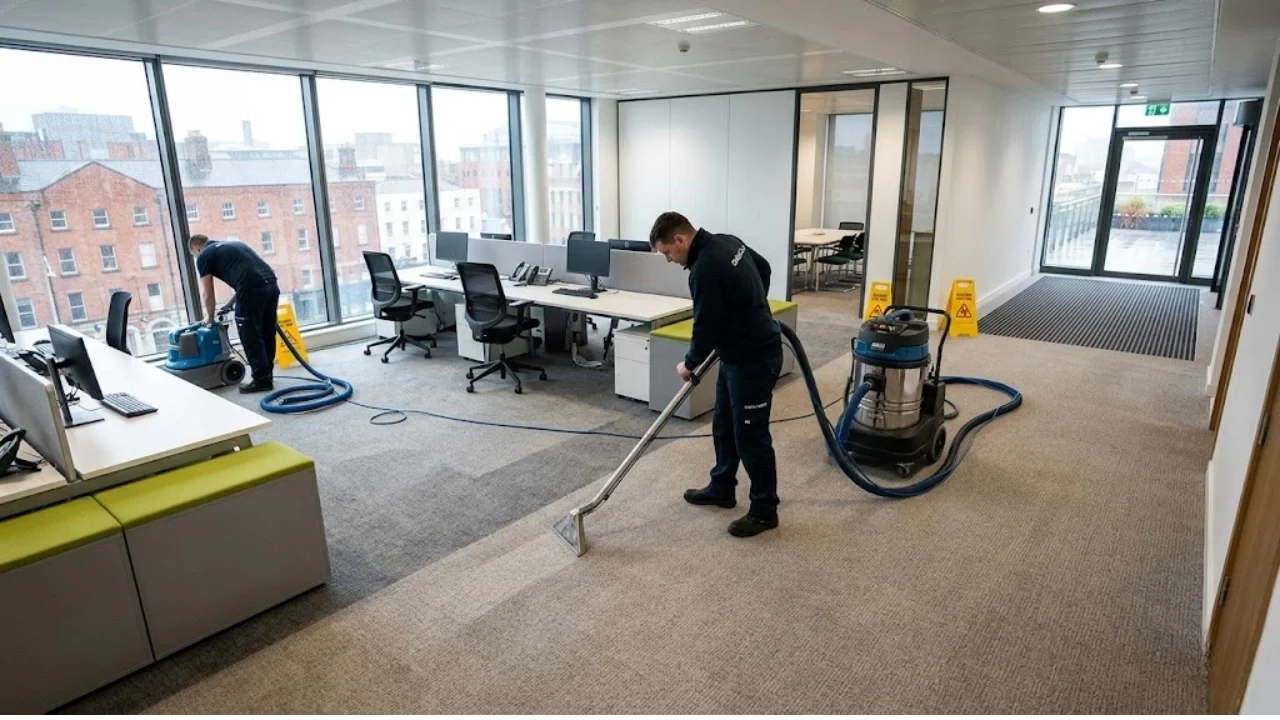
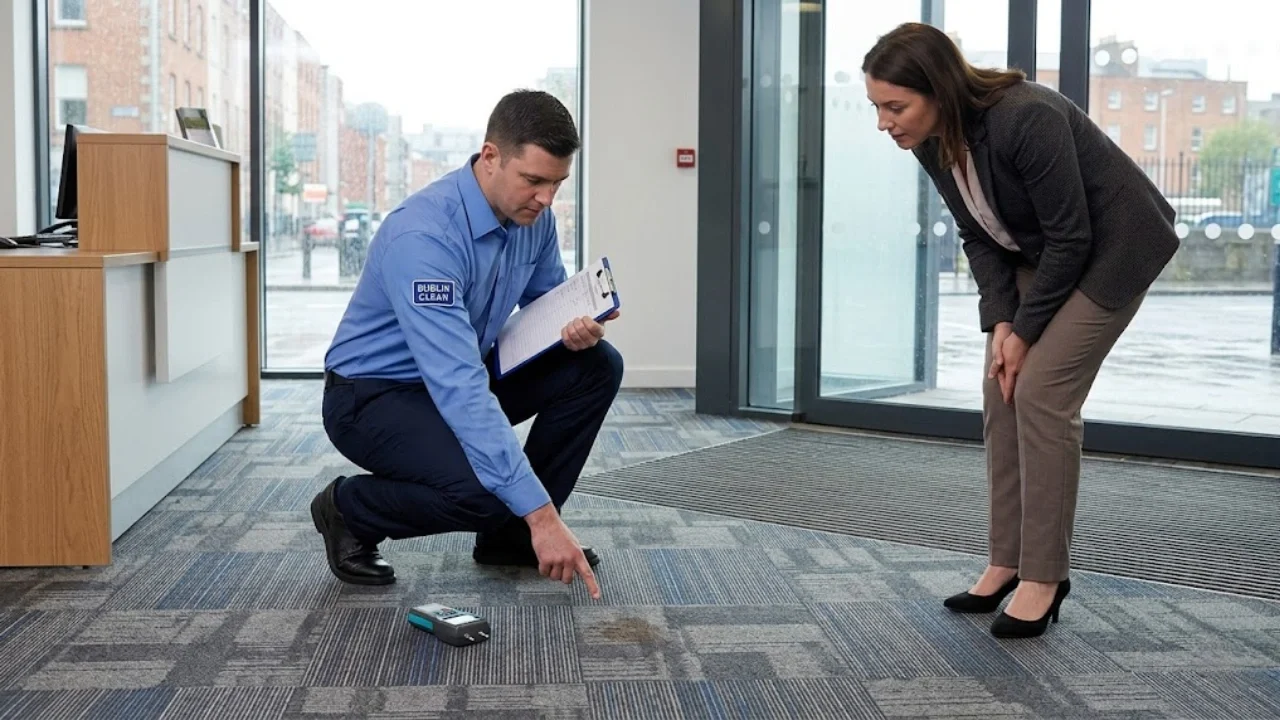
- Carpet cleaning
- Upholstery cleaning
- High level dust removal
- Detailed washroom restoration
- Internal partition cleaning
The exact frequency depends on facility use and environmental conditions.
Periodic deep cleaning helps maintain long term hygiene standards while protecting fixtures and furnishings.
What Happens When Cleaning Frequency Is Too Low?
Reducing cleaning frequency may appear cost effective in the short term.
However, it often creates larger operational issues.
Potential consequences include:
- Increased contamination risks
- Poor patient perception
- Unpleasant odours
- Higher maintenance costs
- Faster wear and tear of surfaces
- Reduced staff satisfaction
In healthcare environments, prevention is almost always more cost effective than corrective action.
Signs Your Facility May Need More Frequent Cleaning
Many healthcare managers become accustomed to their environment and may not immediately notice cleaning gaps.
Several warning signs can indicate that cleaning frequency should be reviewed.
These include:
- Washrooms deteriorating before the end of the day
- Reception areas appearing untidy during peak periods
- Persistent dust accumulation
- Overflowing bins
- Smudges on glass and doors
- Increased patient complaints regarding cleanliness
When these issues appear regularly, cleaning schedules may no longer match facility demands.
Cleaning Frequency by Facility Type
The following table provides a general guide.
| Facility Type | Typical Professional Cleaning Requirement |
|---|---|
| GP Surgery | Daily with multiple touch point checks |
| Physiotherapy Clinic | Daily plus periodic deep cleaning |
| Dental Practice | Daily with treatment room support |
| Specialist Medical Centre | Daily with ongoing daytime cleaning |
| Multi Practitioner Clinic | Daily with increased frequency during busy periods |
| Healthcare Centre with High Patient Volume | Multiple cleaning visits throughout the day |
Every facility should be assessed individually rather than relying solely on generic recommendations.
Staff Cleaning vs Professional Cleaning
Many healthcare facilities ask staff to carry out basic housekeeping tasks.
While staff can assist with immediate maintenance, professional cleaning remains essential.
Healthcare professionals should focus on patient care rather than managing extensive cleaning responsibilities.
Professional cleaners bring:
- Structured procedures
- Specialist equipment
- Dedicated cleaning schedules
- Quality control processes
- Consistent service delivery
This creates a more reliable and sustainable hygiene programme.
PRO TIP
Track patient numbers for four weeks and compare them against cleaning schedules.
Many facilities discover that cleaning frequency was established years ago when patient volumes were much lower.
As clinics grow, cleaning programmes should evolve alongside operational demands.
Cleaning is Part of the Patient Experience
Patients notice much more than clinical care.
They notice:
- Clean reception desks
- Fresh waiting rooms
- Hygienic washrooms
- Well maintained floors
- Organised treatment spaces
These observations influence confidence and trust before treatment even begins.
A consistently clean environment reinforces professionalism throughout the facility.
A Practical Way to Review Your Current Cleaning Schedule
Instead of asking whether your facility is cleaned daily, ask a different question:
“Does our current cleaning schedule reflect how the facility is actually used?”
A clinic seeing 25 patients per day will have different requirements from a healthcare centre welcoming 250 patients.
Reviewing usage patterns often reveals opportunities to improve cleaning efficiency and hygiene outcomes.
Keeping Pace With a Busy Healthcare Environment
Healthcare facilities are constantly evolving. Patient numbers increase, services expand and operational demands change over time.
At Dublin Clean, we regularly assess how facilities function throughout the day rather than relying on fixed cleaning assumptions. By looking at patient flow, high traffic areas and operational activity, cleaning schedules can be aligned with the realities of the workplace.
Many organisations that work with healthcare facility cleaners in Dublin initially focus on how often cleaning takes place. The more valuable question is whether cleaning is happening at the right times and in the right areas.
That is where structured planning makes a difference.
For healthcare providers reviewing healthcare facility cleaning services in Dublin, a well designed cleaning programme should support patient safety, staff wellbeing and the professional image of the facility every single day.
The most effective cleaning schedules are not built around a calendar. They are built around how the facility actually operates.